Get A Free Tree Assessment Today
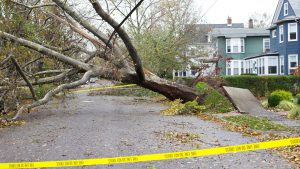
Why Tree Risk Isn’t Always Obvious
Trees may look sturdy, but years of weather, disease, and root shifts can silently compromise their strength. Homeowners often miss the warning signs—until a major storm reveals the problem with fallen limbs or worse.
At Vizion Tree Service, we’re trained to spot structural risks early and prevent them from turning into emergencies. Here’s what to look for on your own property.
1. A Noticeable Lean
Some trees naturally lean, but when a previously straight tree begins tilting or the lean increases suddenly, it’s a sign of structural weakness. This is especially concerning if:
- The lean is more than 15 degrees
- The soil at the base is lifting or cracked
- Roots are exposed or shifting
Even without a storm, gravity alone can cause a leaning tree to fall.
2. Dead or Falling Branches
Large dead limbs (especially in the upper canopy) are one of the most common signs of a hazardous tree. These branches may:
- Drop without warning
- Show no signs of budding in the spring
- Snap easily in wind
These limbs can fall on property, vehicles, or people. Professional pruning or removal is often necessary to prevent injury.
3. Cracks in the Trunk or Bark
Visible splits or cracks can compromise a tree’s ability to support itself. These can be horizontal or vertical and may appear near:
- Branch junctions
- Old pruning wounds
- Areas with visible decay or fungal growth
Deep cracks or cavities are red flags that the tree’s internal structure is weakening.
4. Signs of Root Damage
Healthy roots anchor your tree and absorb nutrients. Damage—whether from construction, pests, or weather—can make even large trees unstable. Watch for:
- Mushrooms or fungus growing at the base
- Heaving soil or exposed roots
- A sudden lean or wobble when the wind blows
Root damage is difficult to diagnose without experience, so it’s best to have a professional inspection.
5. Excessive Deadwood or Lack of Leaves
A sparse canopy, missing leaves in specific areas, or entire limbs that never grow back can all indicate decay or disease. Common causes include:
- Oak wilt, Dutch elm disease, or root rot
- Lightning strikes
- Old age
If your tree is shedding bark or showing bare patches year after year, it may be time to consider removal.
What to Do If You Notice These Signs
If you spot one or more of the above warning signs, don’t wait. Call Vizion Tree Service for a professional evaluation.
We offer:
- Tree Health & Risk Assessments
- Emergency Tree Services
- Safe Removal of Hazardous Trees
- Preventative Trimming and Pruning
Our certified team will walk your property, diagnose problems, and give you honest recommendations to keep your family and home safe.
FAQs About Dangerous Trees
Can a leaning tree be saved?
Sometimes. Early support or cabling may work if the root system is intact. We’ll evaluate and provide safe options.
How do I know if a tree is diseased?
Look for mushrooms, dead limbs, peeling bark, or oozing sap. If unsure, request a risk assessment.
Do homeowners insurance policies cover fallen trees?
It depends. Most cover damage to structures caused by a healthy tree falling. Preventable issues may not be covered.
Is tree removal the only option?
Not always. We may recommend pruning, cabling, or root treatment instead of removal.
Protect Your Property With a Tree Safety Check
Not sure if your tree is dangerous? We’ll help you find out. Call Vizion Tree Service at (517) 304‑7403 or request a free assessment today.